

Table of Contents
- Psychology Behind a Luxury Restaurant Interior
- Dubai Restaurant Interior Design Trends for Modern Dining
- Planning the Complete Restaurant Layout
- Transforming visions into reality
- Signature Design Features That Make Restaurants Stand Out
- Restaurant Interior Design Dubai for Different Concepts
- Small Coffee Shop Interior Design That Maximises Space
- Property Maintenance Becomes Part of Interior Upgrades
- Cafeteria Interior Design for Efficient Customer Flow
- Cafe Interior Design Focused on Customer Experience
- Choosing Materials for Dubai Restaurant Interiors
- Lighting Design That Shapes the Dining Atmosphere
- Creating Comfortable and Functional Dining Environments
- Restaurant Fit-Out Process from Design to Handover
- Common Interior Design Mistakes That Affect Restaurant Performance
- Factors Influencing Luxury Restaurant Interior Design Costs
- Selecting the Right Restaurant Interior Design Company in Dubai
- Zadson Interior Design Company Dubai for Luxury Hospitality Interiors
- Building a Restaurant Guests Remember
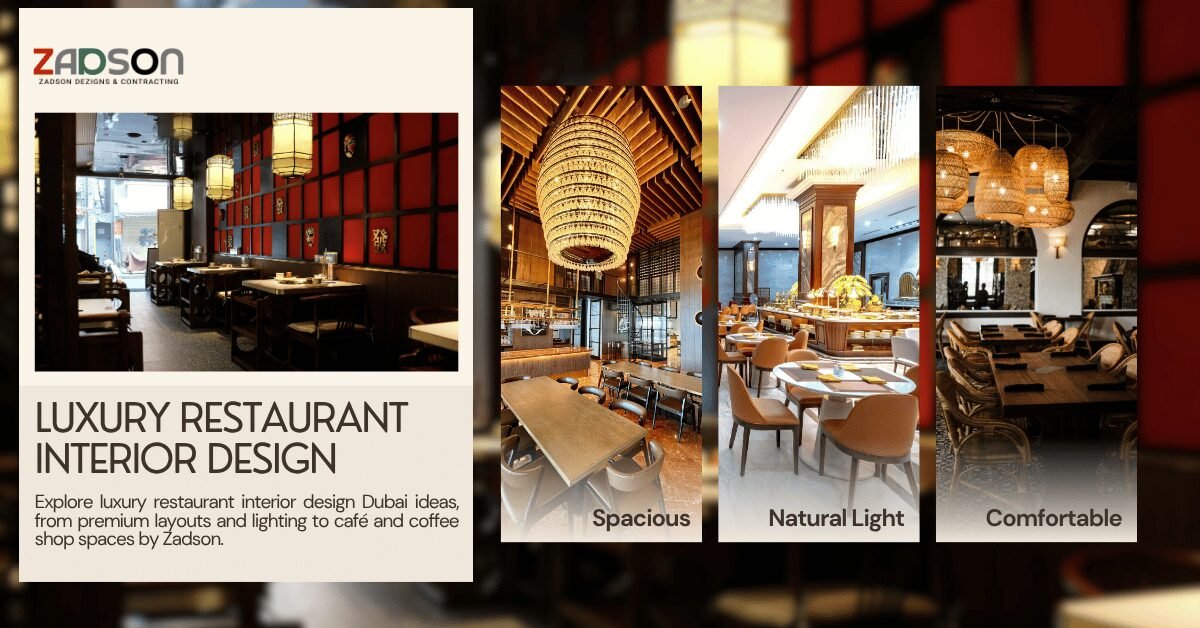
A luxury restaurant is not just about good furniture or fancy finishes. The whole interior should create a great experience starting from the very first step until the last one when the guests are leaving the place. Luxury Restaurant Interior Design Dubai combines all these aspects into unique dining experiences.
The Dubai’s competitive hospitality industry makes interior design play an essential role for positioning any restaurant. A properly designed space can affect the way people perceive it, make guests stay longer, facilitate movement of the personnel, and enhance branding.
Psychology Behind a Luxury Restaurant Interior
The interior of the restaurant affects the way in which the customers perceive quality, comfort, and value. Color, lighting, texture, furniture, and dimensions can have an impact on the dining experience.
Creating the Right First Impression
Entry into the restaurant marks the beginning of the first physical engagement of the guests with the restaurant. The reception, which includes distinctive signage, good lighting, and appropriate material choices, speaks volumes about the personality of the restaurant.
Designing for Comfort and Emotional Connection
The luxuries must not come at the cost of comfort. The seating must offer enough support, there must be ample space between tables, and lighting must be good enough for dining.
Turning Interiors into a Brand Experience
Luxury should not be compromised at the cost of comfort. There should be adequate seating, spacing between tables, and proper lighting so that it is comfortable to eat.
Dubai Restaurant Interior Design Trends for Modern Dining
The latest trend in the interior designs of Dubai restaurants is that of designing an experience rather than simply decorating restaurant spaces.
This involves using warm materials, sculptured lighting, nature-inspired textures, art pieces, and versatile furniture designs. The connection between the indoor and the outdoor spaces is also important where applicable.
Planning the Complete Restaurant Layout
Effective planning ensures that the restaurant looks attractive while remaining practical for guests and staff.
Entrance and Reception
The reception must clearly indicate an arrival place while allowing the guests to transition to the dining room easily. Seating for waiting guests can be arranged without causing a bottleneck situation.
Dining and Seating Zones
There are various seating options that could serve different tastes of customers. They may include two-seater tables, large dining tables, booths, and convertible seating options.
Bar and Lounge Areas
The bar/lounge can be an important element of the interior design. The placement must facilitate efficiency of the service, yet still provide good visual communication with the primary dining room.
Private Dining Spaces
Private dining areas provide exclusivity for celebrations, business meetings, and special occasions. Acoustic separation, controlled lighting, and custom finishes can enhance their premium character.
Kitchen and Service Circulation
The kitchen should support efficient food preparation and service movement. Staff routes should ideally remain separate from major guest circulation areas wherever possible.
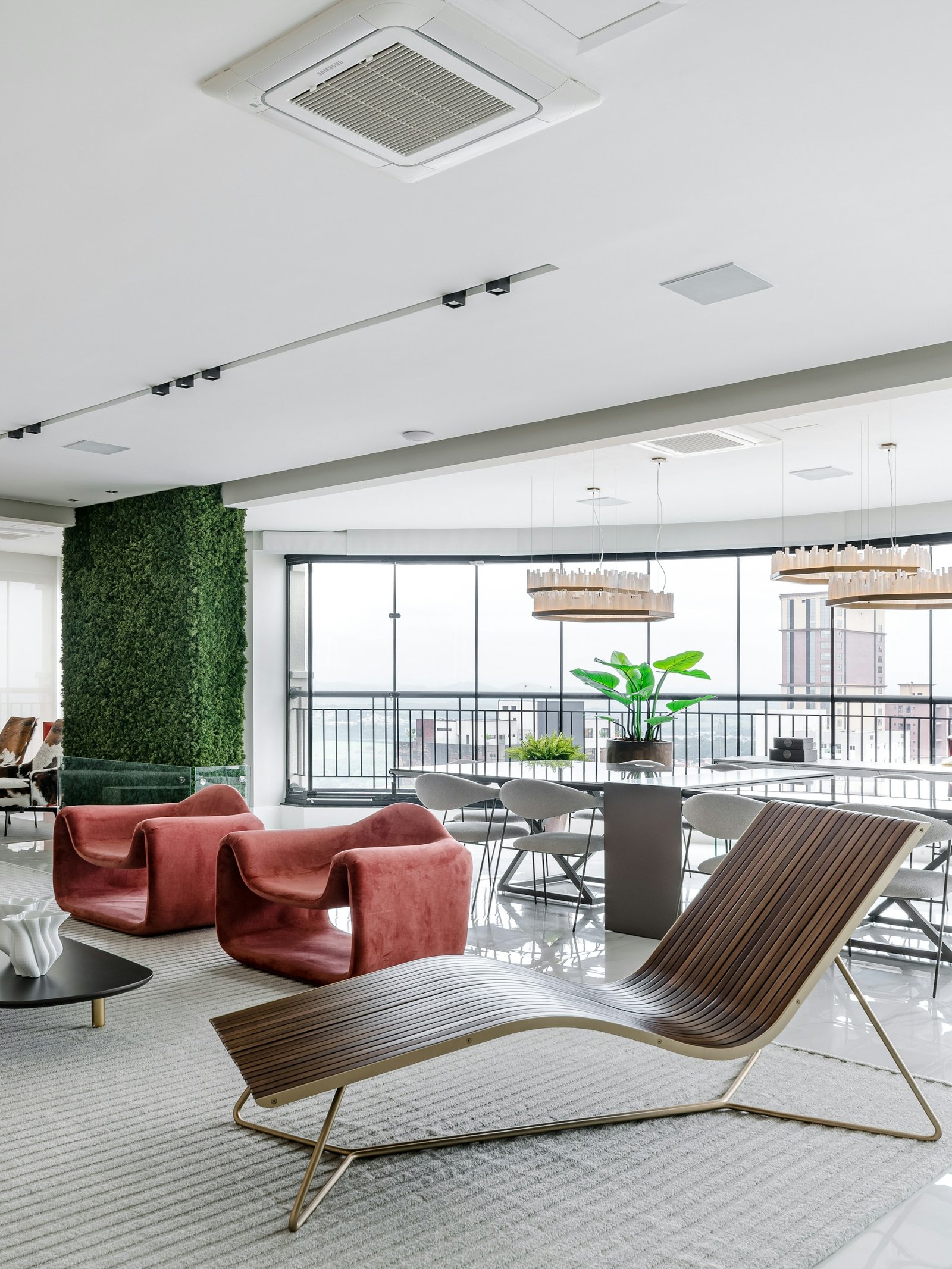
Transforming visions into reality
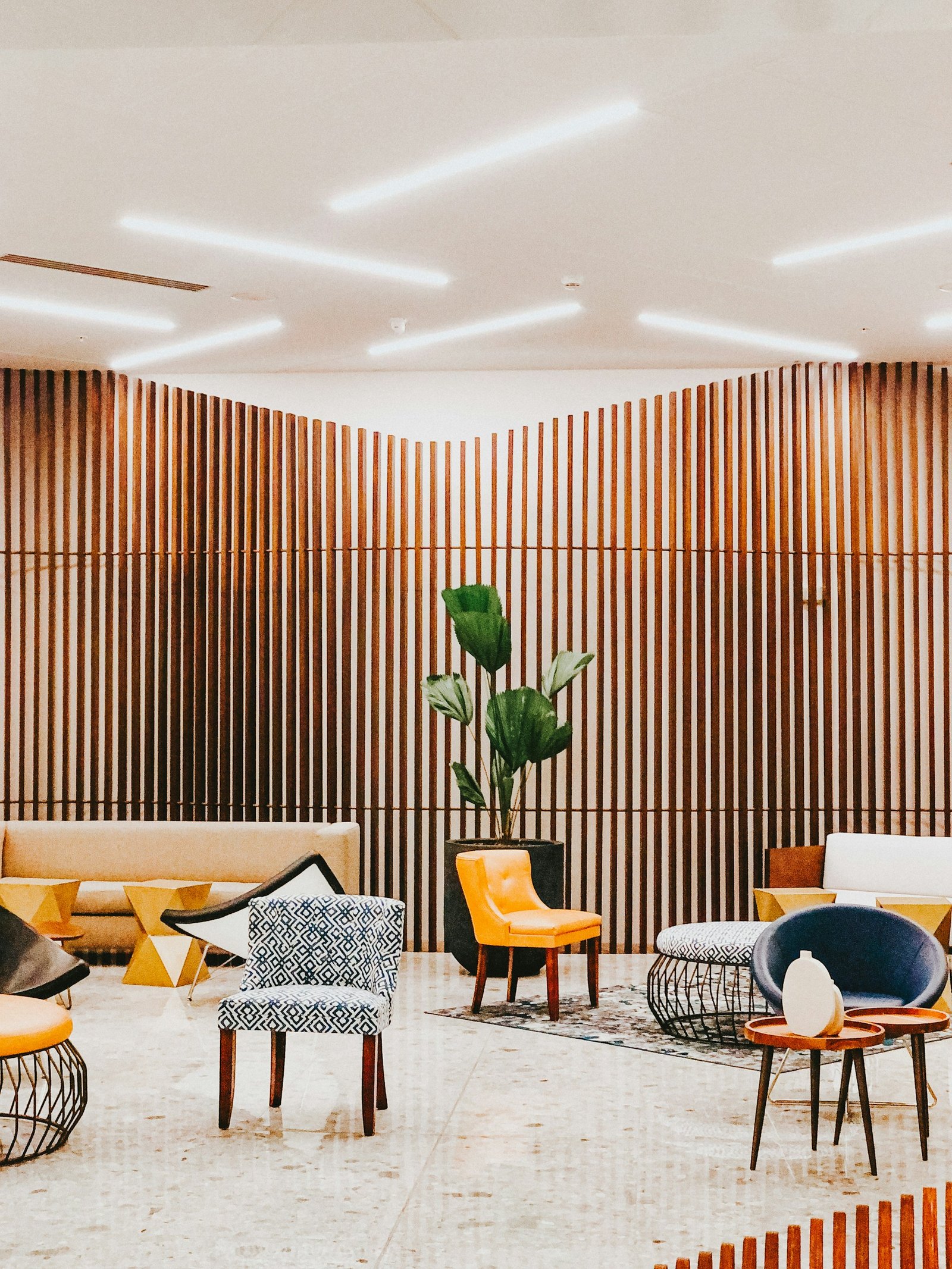
Signature Design Features That Make Restaurants Stand Out
Certain design features may make the restaurant visually distinctive and unique.
The ceiling, furniture, wall art, partitions, lighting, and joinery may be considered signature elements. It is important to use these elements wisely, not in all areas of the restaurant.
Restaurant Interior Design Dubai for Different Concepts
A specific restaurant type needs a specific design strategy depending on its concept, target audience, menu and operational processes. Examples of interior design for restaurants in Dubai include high-end restaurants with elaborate interiors, controlled lighting and comfortable seating. For premium casual restaurants, elegant but relaxed interior design is recommended. For rooftop restaurants, good views, outdoor weather-resilient furniture and shaded areas are essential.
For lounge restaurants, multilayered lighting, luxurious textures and intimate seating are recommended. For international cuisine restaurants, the designs can be inspired by culture through colors, artworks, materials and architecture.
Small Coffee Shop Interior Design That Maximises Space
A small place doesn’t necessarily mean that it has to be confined. Interior design for small coffee shops can effectively plan the available area and make it look spacious and comfortable.
Furniture mounted on the walls, built-in seating options, narrow tables, vertical storage solutions, and multi-functional counters can facilitate better space utilization.
Property Maintenance Becomes Part of Interior Upgrades
Maintenance is not always required to stay independent of interior modifications.
Consider laying new floorings when you are renovating the interior design of your home. The painting can go together with the furniture or wall decorations. You may also get electrical work done for better lighting designs.
The owners who want to work on some upgrades can include interior decorators in UAE for matching their repairing jobs with aesthetical work.
When bigger transformations within houses are required, dealing with some of the top interior design companies in Dubai will make that easier.
Cafeteria Interior Design for Efficient Customer Flow
Effective cafeteria interior design must balance appearance with speed and practicality. Customers should be able to enter, view food options, place orders, collect meals, and find seating without unnecessary obstacles.
Queue and Ordering Areas
Counters should be positioned to create a logical movement pattern. Clear signage and visible menu displays can also improve the ordering experience.
Seating Capacity
Different seating formats can increase flexibility. Communal tables can support groups, while smaller tables can accommodate individual customers.
Food Service Counters
The counter should support staff efficiency while presenting food attractively. Durable surfaces are particularly important in high-use areas.
Easy-Care Interior Finishes
Cafeterias experience frequent spills, movement, and cleaning. Durable flooring, washable wall finishes, and practical furniture can reduce maintenance requirements.
Cafe Interior Design Focused on Customer Experience
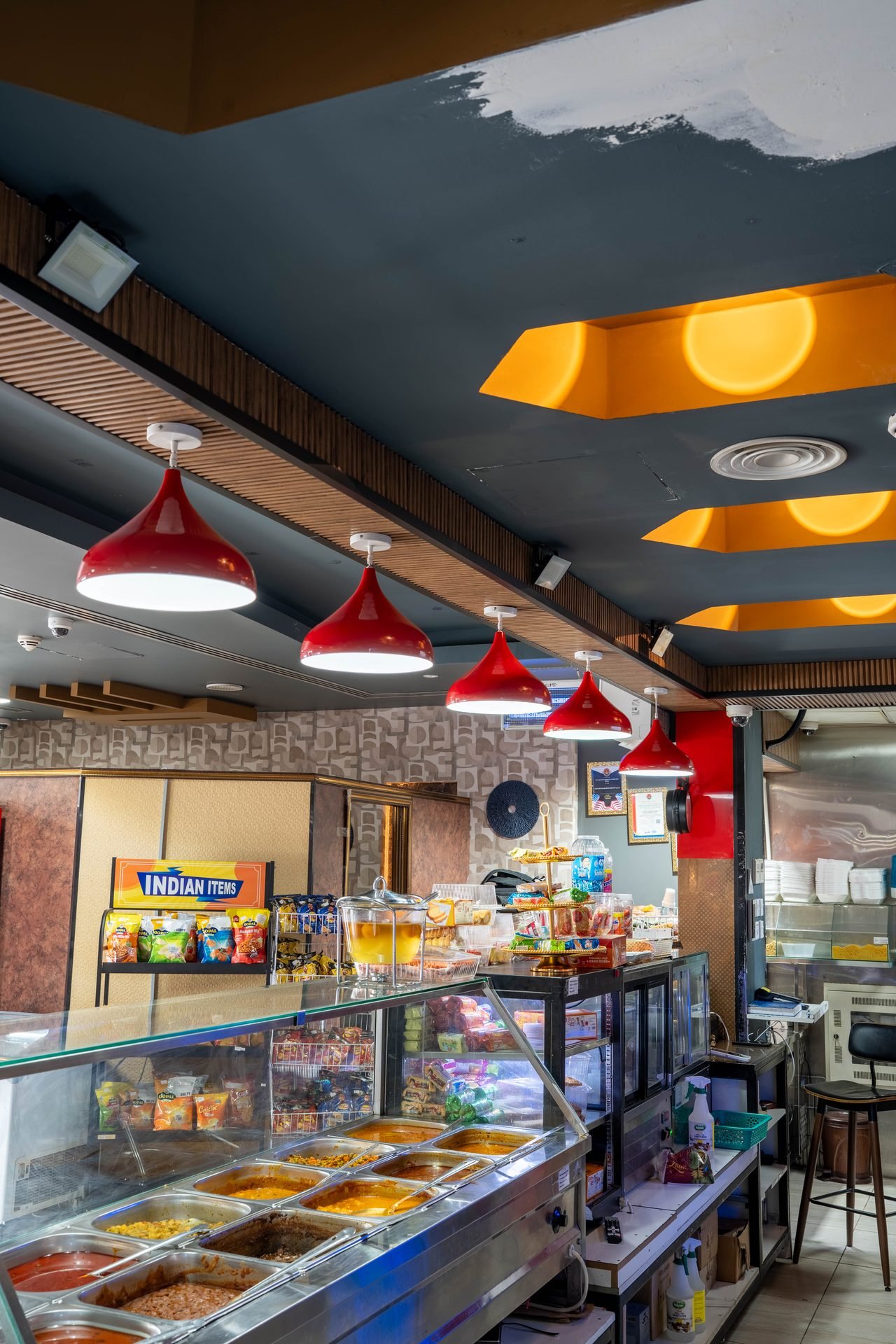
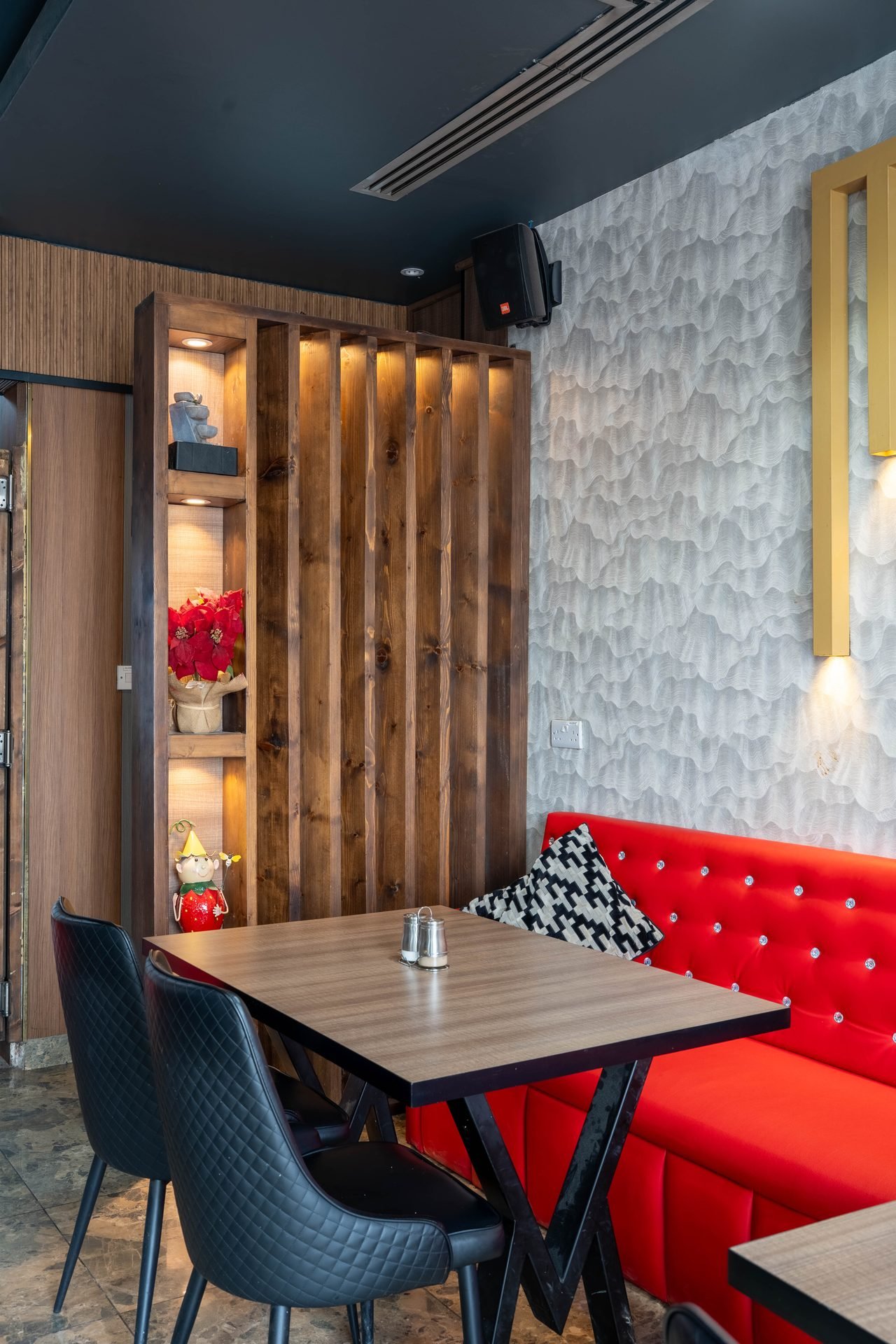
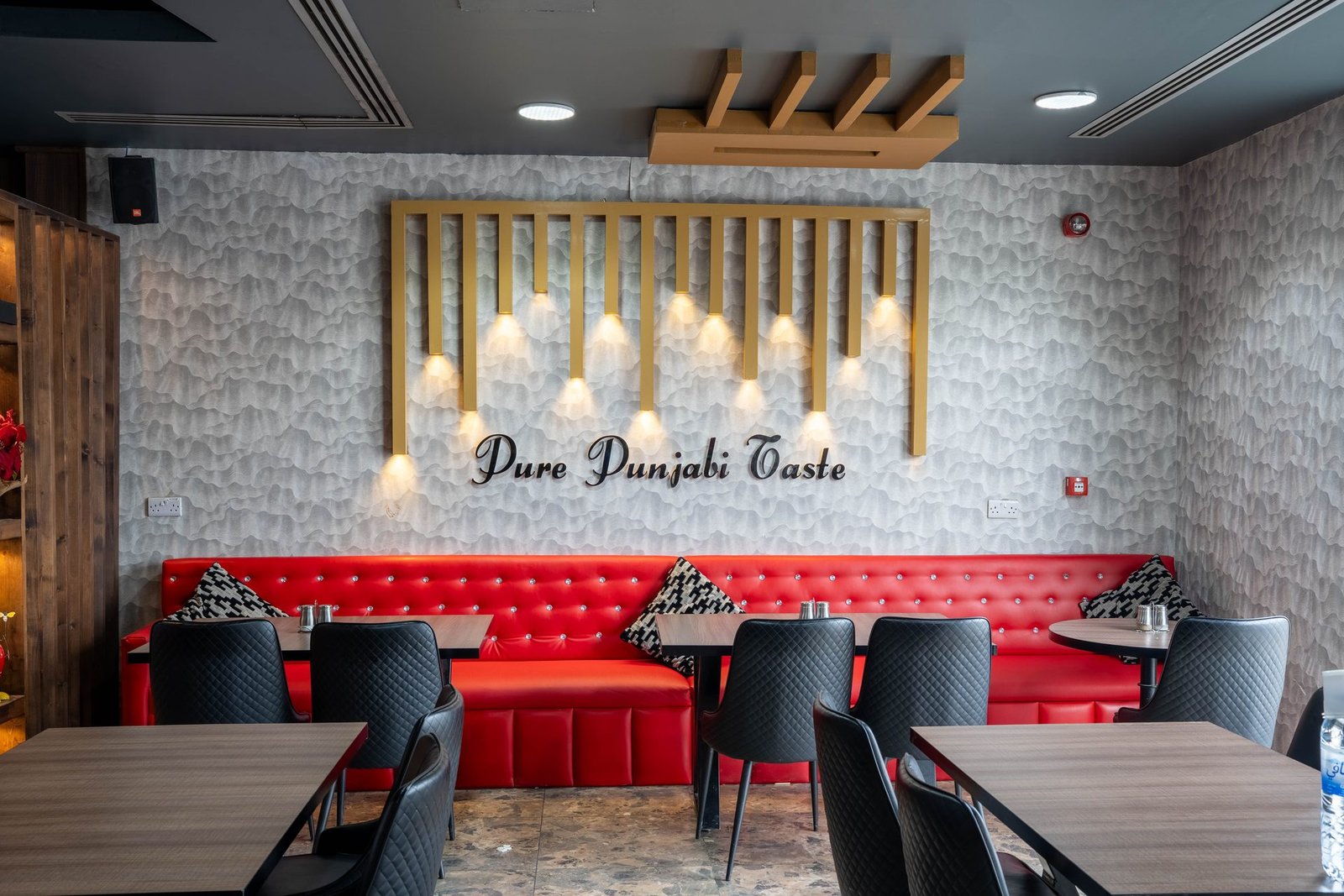
Modern interior design of cafes may require catering to various needs of their clients. There may be those people who just want to grab coffee, others may come to work or to meet someone, or even spend time there for many hours.
Designing various zones may help fulfill these requirements. A cozy lounge seating area may entice people to stay there for a long period, while some people may prefer sitting at the counter.
Choosing Materials for Dubai Restaurant Interiors
Materials influence appearance, durability, maintenance, and overall project cost.
Marble and Natural Stone
Stone can create an elegant and premium appearance around reception counters, flooring, walls, and feature surfaces.
Wood and Veneer
Wood introduces warmth and can soften spaces dominated by stone, glass, and metal.
Metal and Glass
Metal details can add contemporary character, while glass can help maintain visual openness in smaller restaurants and cafés.
Upholstery and Textured Finishes
Upholstered seating can improve comfort and introduce colour and texture. Commercial-grade fabrics are generally preferable for high-traffic environments.
Durable and Sustainable Materials
Selecting materials based on both appearance and performance can help reduce future maintenance requirements. Sustainable options can also support environmentally conscious hospitality concepts.
Lighting Design That Shapes the Dining Atmosphere
Lighting plays a major role in setting the ambience and experience in a restaurant. Lighting design should be a combination of ambient lighting, accent lighting and decorative lighting to add dimensions to the environment. Ambient lighting sets the mood in the space, whereas accent lighting brings out art, tables and architecture in focus. Statement pendants can make a statement as well. Variable luminosity levels and colour temperatures can help a restaurant move into a night time mode smoothly.
Creating Comfortable and Functional Dining Environments
Luxury interiors should work for both guests and staff.
Seating Ergonomics
Furniture should provide adequate support and allow guests to dine comfortably for extended periods.
Acoustic Control
Acoustic panels, upholstered surfaces, ceiling treatments, and carefully selected materials can reduce unwanted noise.
Temperature and Air Quality
Comfortable indoor temperatures and proper ventilation are essential in Dubai’s climate. HVAC planning should be coordinated with the interior layout.
Accessibility and Guest Convenience
Accessible routes, appropriately designed washrooms, clear circulation, and comfortable movement should be considered from the beginning of the design process.
Restaurant Fit-Out Process from Design to Handover
A successful restaurant project requires coordination between design, procurement, construction, and installation teams.
The process generally includes concept development, space planning, design drawings, material selection, custom fabrication, fit-out, lighting installation, furniture placement, finishing, and final inspection.
Common Interior Design Mistakes That Affect Restaurant Performance
There are certain design considerations that can have a negative impact on both the guest’s experience and the day-to-day operations of a restaurant.
The wrong arrangement of customers can lead to overcrowding, and too much decoration can contribute to a crowding effect inside the restaurant. Inconsistent branding can damage the concept, and uncomfortable seating can deter visitors from spending more time at the establishment.
Yet another common problem is material choice without taking durability into account. It is obvious that a restaurant interior is constantly being cleaned and used.
Factors Influencing Luxury Restaurant Interior Design Costs
Interior design costs for restaurants can differ greatly from one project to another. Some of the major considerations in that respect are the size of the floor plan, level of intricacy of the design, choice of materials, joinery work, furniture, lighting, architectural changes and fit-out needs.
Customization and imported materials may raise the cost of the job. An effective design brief can come in handy here.
Selecting the Right Restaurant Interior Design Company in Dubai
The choice of design partner will have a great impact on the end result. You should look out for experience in hospitality interior design, good portfolio, efficient space planning, and understanding of local project needs.
Also, the design company must understand the correlation between aesthetics, client satisfaction, employee satisfaction, maintenance, and commercial success.
Zadson Interior Design Company Dubai for Luxury Hospitality Interiors
Zadson Interior Design Company Dubai offers interior design and fit out services for hospitality and commercial spaces. The process could be a blend of creativity with pragmatic factors such as space utilization, choice of materials, functionality, and finishes.
In cases of restaurants, cafes, and other hospitality venues, coordination of the design and its implementation by a qualified team would ensure that the desired interior is achieved.
Building a Restaurant Guests Remember
The good interior of a restaurant should be an attractive place that is also comfortable and functional and has an identity. In every aspect from the conception to execution of dubai restaurant interior designs, the customer needs to be taken into account. This is true for other kinds of projects like small coffee shop interior design, cafeteria interior design, and modern cafe interior design as well. Through careful planning and implementation, Zadson Interior Design Company Dubai can design impressive hospitality interiors for easy management and customers to remember.
Frequently Asked Questions :
A luxury restaurant typically combines thoughtful space planning, premium finishes, comfortable furniture, distinctive lighting, strong branding, and carefully coordinated details.
Using light colours, mirrors, glass, compact furniture, open circulation, vertical storage, and strategic lighting can make a smaller restaurant feel more spacious.
Durable stone, wood, metal, glass, commercial-grade upholstery, and easy-care surface finishes can work well when selected according to the restaurant's concept and usage.
Yes. Lighting influences atmosphere, visual comfort, food presentation, guest mood, and the overall perception of the restaurant.
A cafeteria should prioritise customer flow, queue management, seating capacity, food-service efficiency, durability, hygiene, and easy maintenance.
Yes. Different seating zones can accommodate individual work, casual meetings, quick visits, and longer social stays within the same café.
Floor area, design complexity, materials, custom furniture, lighting, joinery, architectural modifications, and fit-out requirements can influence the overall investment.
Both are important. A successful restaurant interior should create a strong visual identity while supporting comfortable dining, efficient service, and practical maintenance.
The timeline depends on the size, design complexity, approvals, material availability, construction requirements, and extent of customisation.
Yes. Some interior design companies provide both design and fit-out services, helping coordinate design development, materials, fabrication, installation, and final finishing.


Comments are closed